

So, today is day numero uno of my Obstetric and Gyenaecology posting. I’ve just finished my paediatrics posting last week, but I felt like I didn’t do well in the exam ngl. Peads is actually my favourite posting so far and I wanted to do well in it. However, I feel like I didn’t study enough and prepare enough for the exam (ngl I actually slacked off quite a bit last posting HAHA). So I guess my poor results was deserved *cries in pain*.

Therefore, I’ve decided to study a lil harder during my OnG posting HAHA.
Let’s have a short recap of my day today. Morning had an introduction session to all the ward sisters at the 9th and 10th floor at KWKK HRPB hospital, then went for lunch with my groupmates at this Chinese-esk restaurant. I ordered a plate of spaghetti.
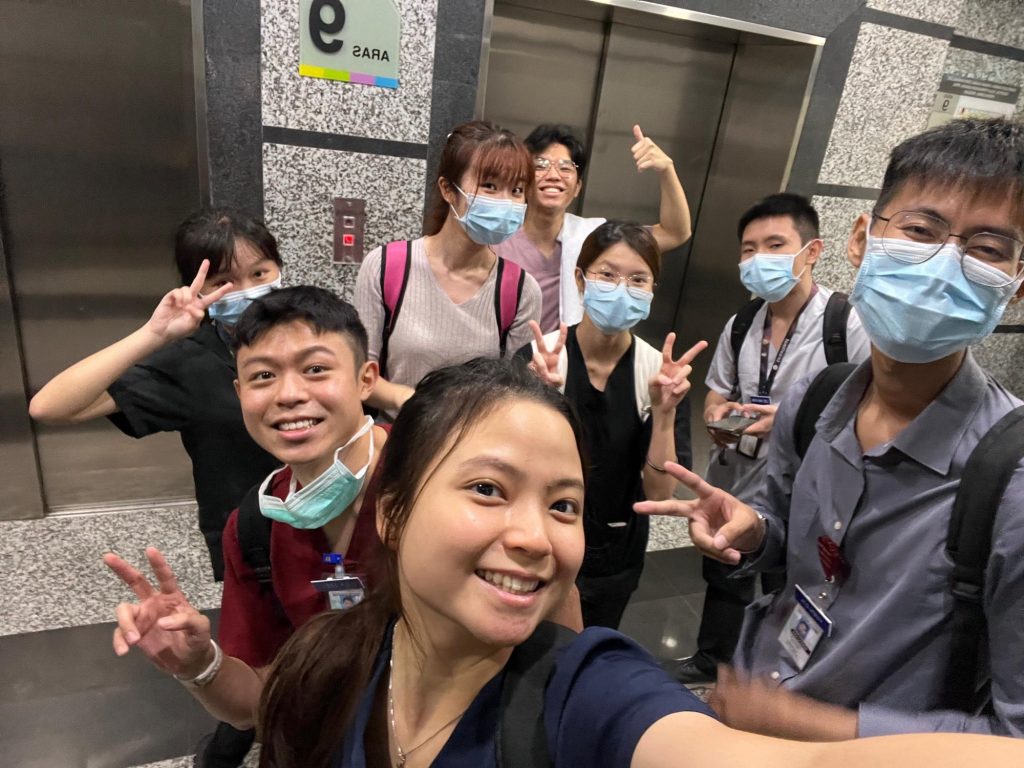
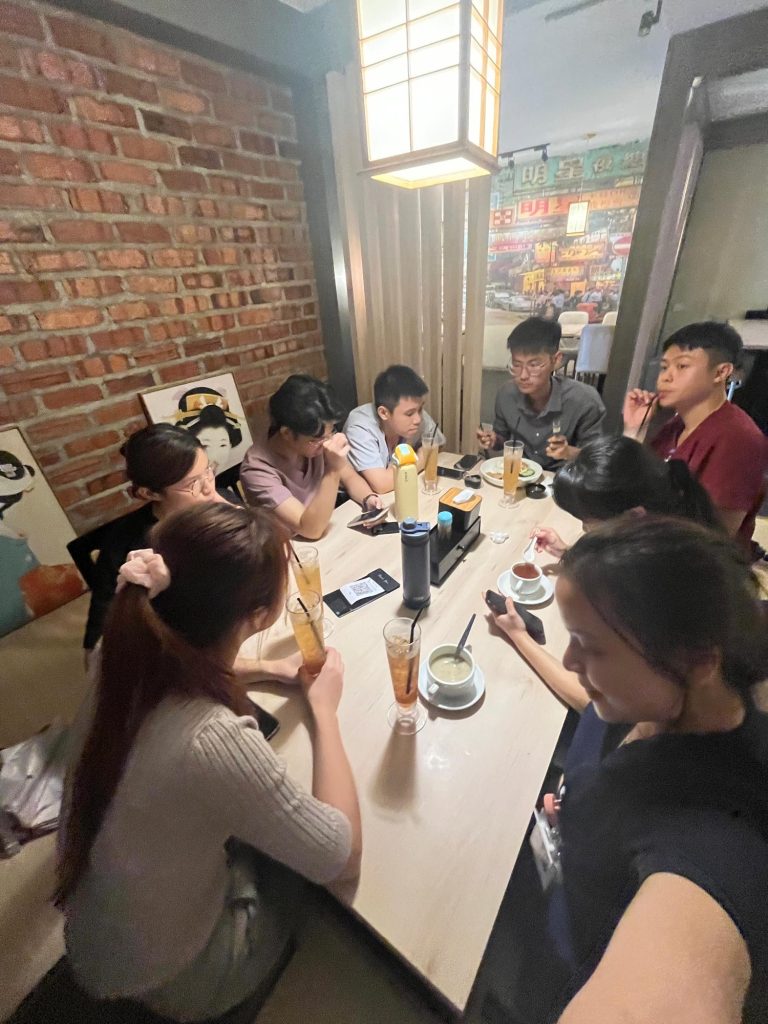
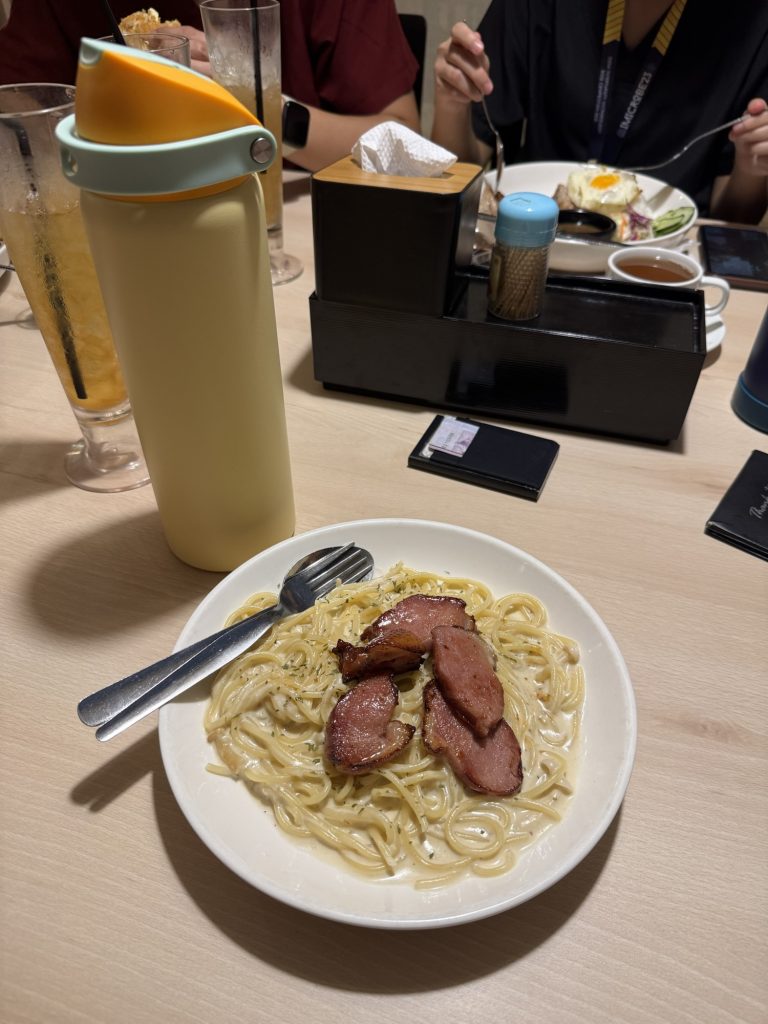
After that we went to CTC to have a break. I took a short nap, read my novel (Pick Me Up!) and briefly revised a bit on the stages of labour. After that we had a BST (Bed side teaching) with Dr Nagara. He’s a pretty chill Dr and one amazing thing is he’s currently 85-years-old, still active in performing surgeries, runs his own clinic and teaches us students. I was pretty amazed by his dedication.
We mainly discussed about two gynae cases today. I wasn’t able to present my permature contractions case I prepare but it was chill because I got to learn about the other cases.
Case 1
First case was presented by my friend Chun Ket. He presented a case on uterine fibroid in a pregnant woman which progressed to red degeneration. Dr Nagara focused more on patient communication and how we approached the patient so we didn’t really discuss much about this patient but it was a good session overall.
Case 2
Second case was prepared by Yue Chen. It was a Ovarian Ca case. For this case we went a bit more in depth on the investigations. Mainly what to see during the ultrasound and what blood test we should do.
Ovarian Ca ultrasound findings include:
- Complex Ovarian Mass (solid cystic masses with heterogenous echotexture)
- Thick septations
- Papillary projections
- Irregular or poor defined borders
- Ascites
- Increased Doppler Vascularity
And for the investigations we mainly talked about the Risk of Ovarian Malignancy Algorithm (ROMA) which uses CA 125, HE4 levels, and menopausal status to predict if a pelvic mass is likely benign or malignant
He also mentioned that PET scan is the best to look for recurrence after a patient has removed the tumour and gone for adjuvant therapy (chemo/radio therapy)
That’s basically what happened in class today. After that I went home to take a nap. I wake also waiting for my family members to Ari e as they are visiting me for the whole week as it is Christmas week and they wanted to spend some precious and quality family time together.
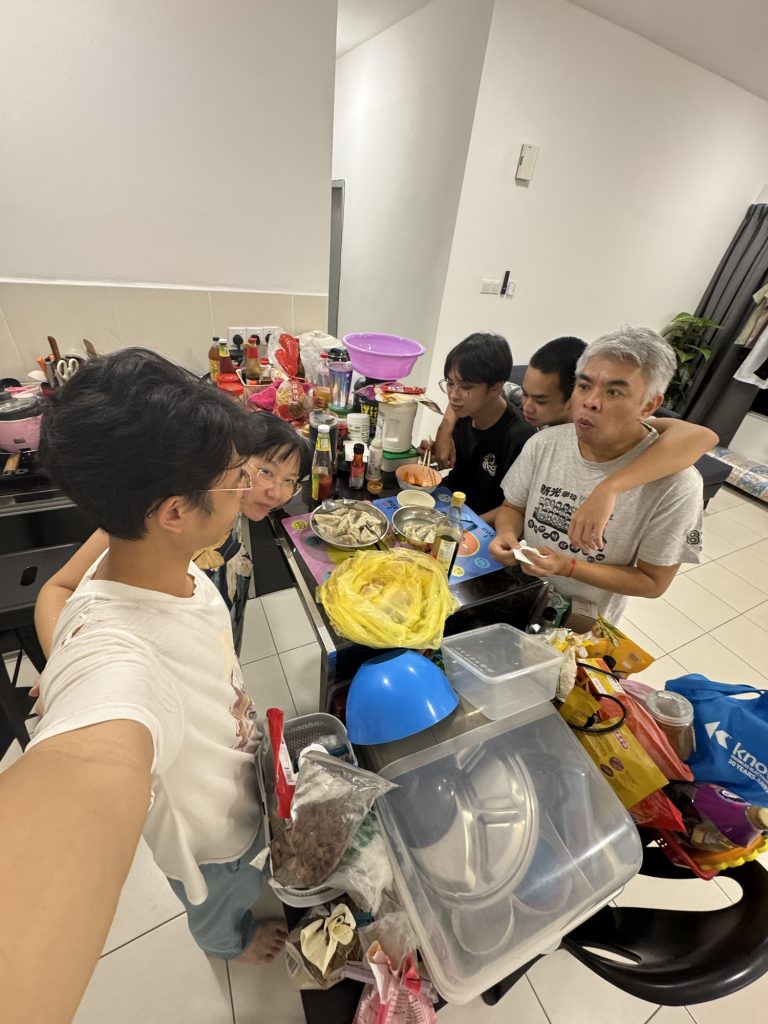
After they settled in, I finally had some time to study. Right now it’s around 2:30 a.m. and I’m actually halfway done with my studies. I’ve just finished having a deeper dive in the stages of labour and learned the components of a partograph and how to interpret them. After finishing writing this blog post, I’m planning to study on what we covered today. Mainly about uterine fibroids and Ovarian Ca. With that said, this is the end for today’s Blog post HAHA my family members are currently sleeping on my bed while one of my younger brother decided to sleep on the couch lmao. I’ll be sleeping on one of those single floor beds later after I’m done with studying.
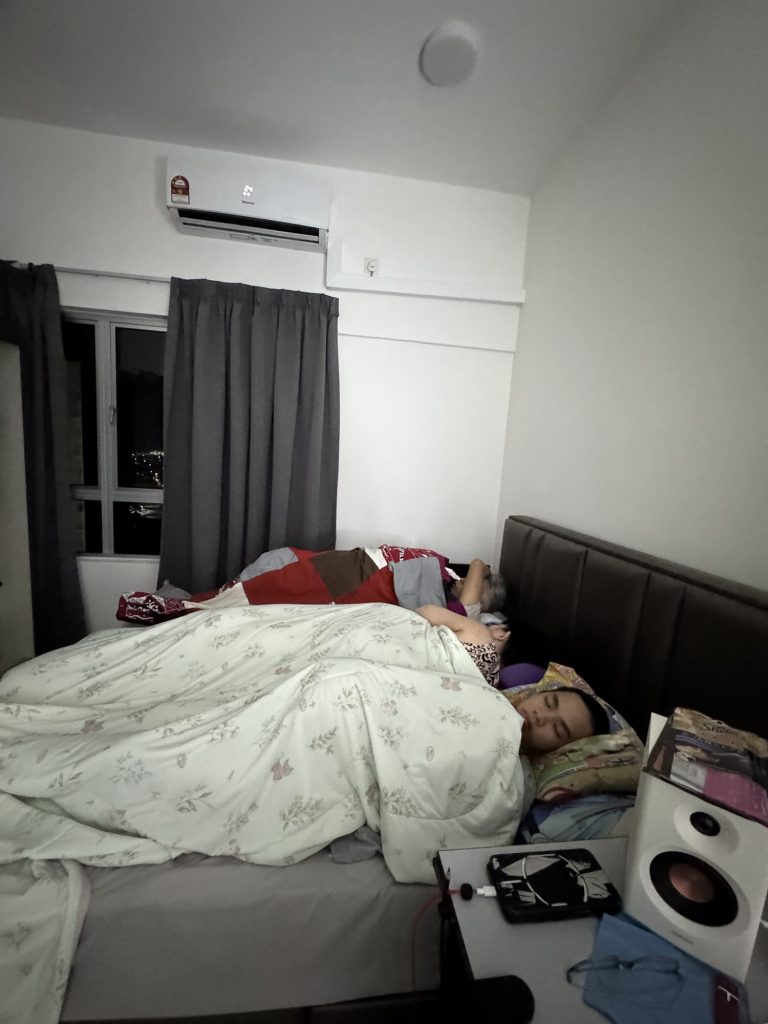
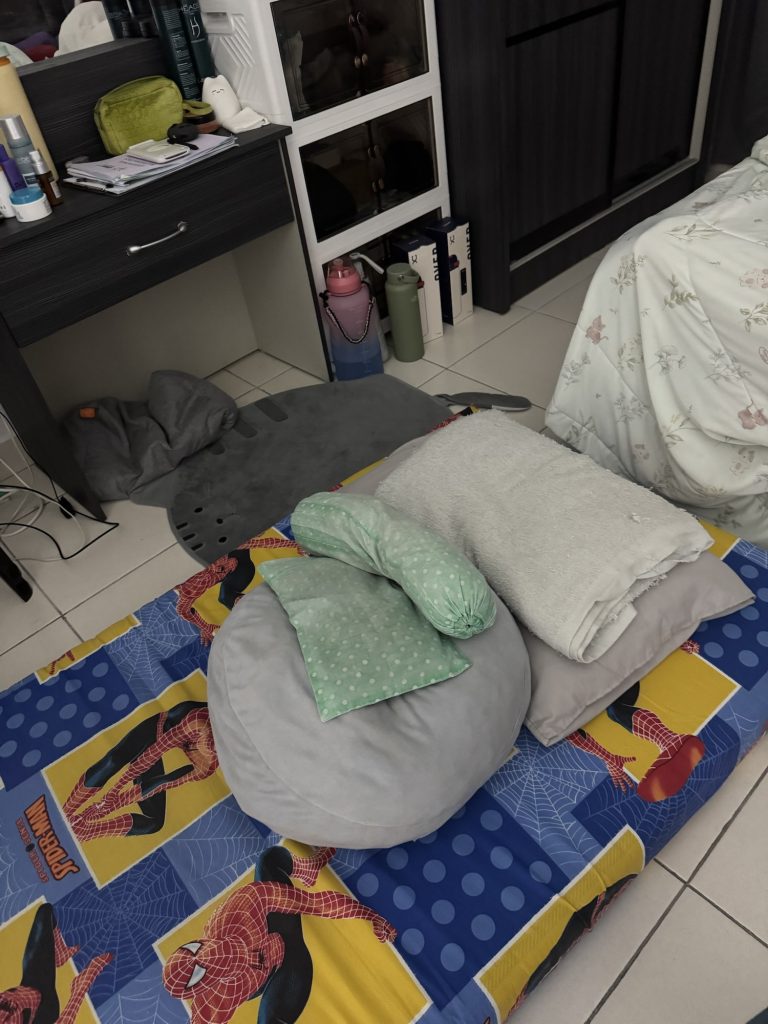
With this I’m ending this blog post. Thanks for taking your time out to read this and I hope it was worth something fto you. Bye!
Update – managed to finish studying on fibroids and red degeneration but did not managed to study ovarian cancer, pushed to tmr. Currently 4:00 a.m. need to sleep to prepare for tomorrow’s 9:30 a.m. class.